Best Dog Parks Near Me · June 26, 2026
Why Do Dogs Eat Grass?
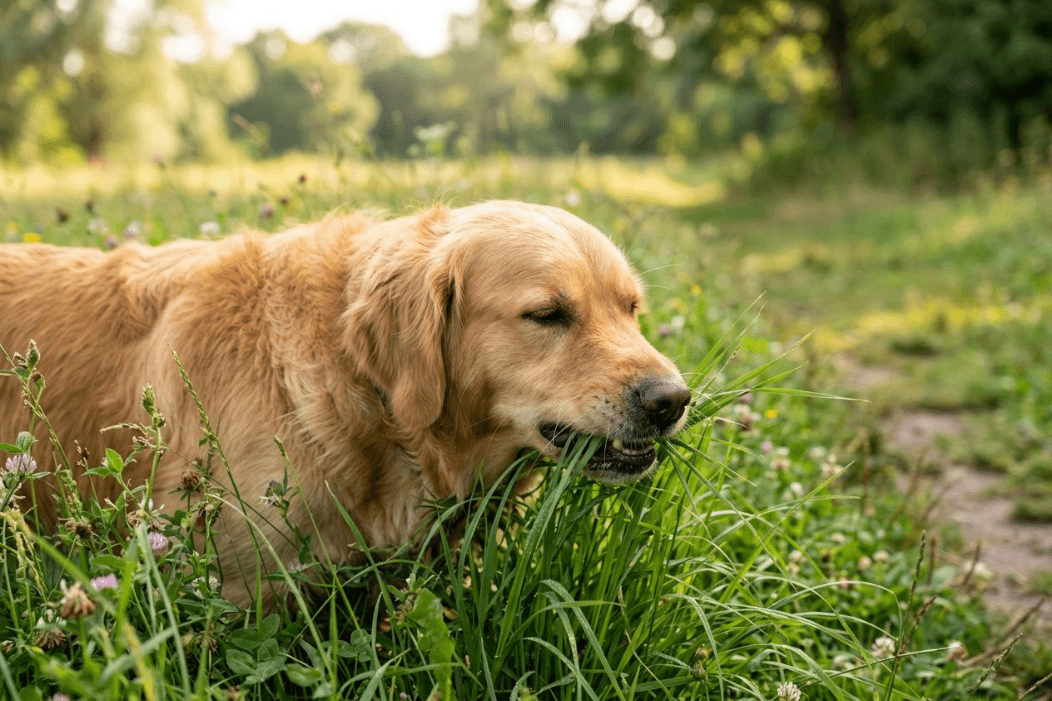
You're standing at the park, your dog drops their head, and starts methodically grazing like a tiny cow. It's one of the most common questions dog owners ask, and it comes loaded with myths. The short version: grass-eating is normal, usually harmless, and rarely the emergency people fear. But where your dog grazes matters more than the fact that they do.
It's normal – and very common
Surveys of dog owners consistently find that the large majority of dogs eat grass at least occasionally, and that it's most common in young, otherwise healthy animals. Eating plants is a behavior dogs share with their wild relatives, whose stomach contents regularly include grass and other vegetation. In other words, your dog is doing something dogs have always done – it isn't a sign that something has gone wrong.
The vomiting myth
The most repeated explanation is that dogs eat grass to make themselves sick when their stomach is upset. It's a tidy story, but the evidence doesn't support it. When researchers looked at the behavior, the vast majority of dogs showed no signs of illness beforehand, and only a small fraction actually vomited afterward. Most dogs eat grass and then carry on with their day completely fine. So while a dog with genuine nausea might occasionally graze, that's the exception – not the reason most dogs do it.
So why do they actually do it?
There's no single answer, and that's part of why the habit is so widespread. The likeliest explanations:
- Instinct. Eating plant matter is part of normal canine foraging behavior, inherited from ancestors whose diet was never purely meat.
- Fiber and digestion. Grass adds roughage. Some dogs may graze more when their diet is low in fiber, and the bulk can help things move through the gut.
- Taste and texture. Fresh spring grass is sweeter and more tender, and plenty of dogs simply seem to enjoy it the way they enjoy any novelty.
- Boredom or attention. An under-stimulated dog will find something to do, and a dog who learns that grazing earns a reaction from you may repeat it.
- Mild anxiety. For some dogs, grazing is a self-soothing behavior, a bit like a person fidgeting.
When grass-eating is worth a second look
The behavior itself is rarely the problem – but a few patterns are worth raising with your vet:
- A sudden, sharp increase in grazing, especially in an older dog who didn't do it before.
- Grass-eating paired with repeated vomiting, diarrhea, lethargy, or a drop in appetite.
- Eating non-food objects too – dirt, rocks, fabric. Compulsive consumption of non-food items (pica) can point to a dietary or medical issue worth investigating.
- Frantic, desperate grazing that looks different from your dog's usual casual nibbling.
The one thing to watch at the dog park
Here's where it stops being just a quirky habit. The grass at a busy public park isn't the same as the grass in your own yard, and that's the part actually worth your attention:
- Herbicides, pesticides, and fertilizer. Maintained park lawns are often treated with chemicals that are not meant to be eaten. Look for posted treatment notices or small flags marking a recent application, and keep your dog off freshly treated areas.
- Parasites and contamination. Grass where many dogs gather can carry intestinal parasites and bacteria from other dogs' waste. A dog grazing in a heavily-used corner is sampling whatever has been left there.
- Toxic plants mixed in. Park edges and unmaintained borders can hide plants that are harmful to dogs, so indiscriminate grazing along fence lines deserves a closer eye.
None of this means you need to panic every time your dog nibbles. It means the park's grass is worth a glance: choose well-kept parks, steer clear of recently treated turf, and interrupt grazing in the messiest, most heavily-trafficked spots.
What you can do
For the everyday grazer, you usually don't need to do anything. If you'd rather curb it, the most effective approaches are practical: keep your dog well-exercised and mentally engaged so boredom grazing has less appeal, make sure their diet is complete and has enough fiber, and redirect with a toy or a known cue rather than turning it into a tug-of-war that earns attention. And if anything in the warning signs above sounds familiar, a quick vet check is the right call.